
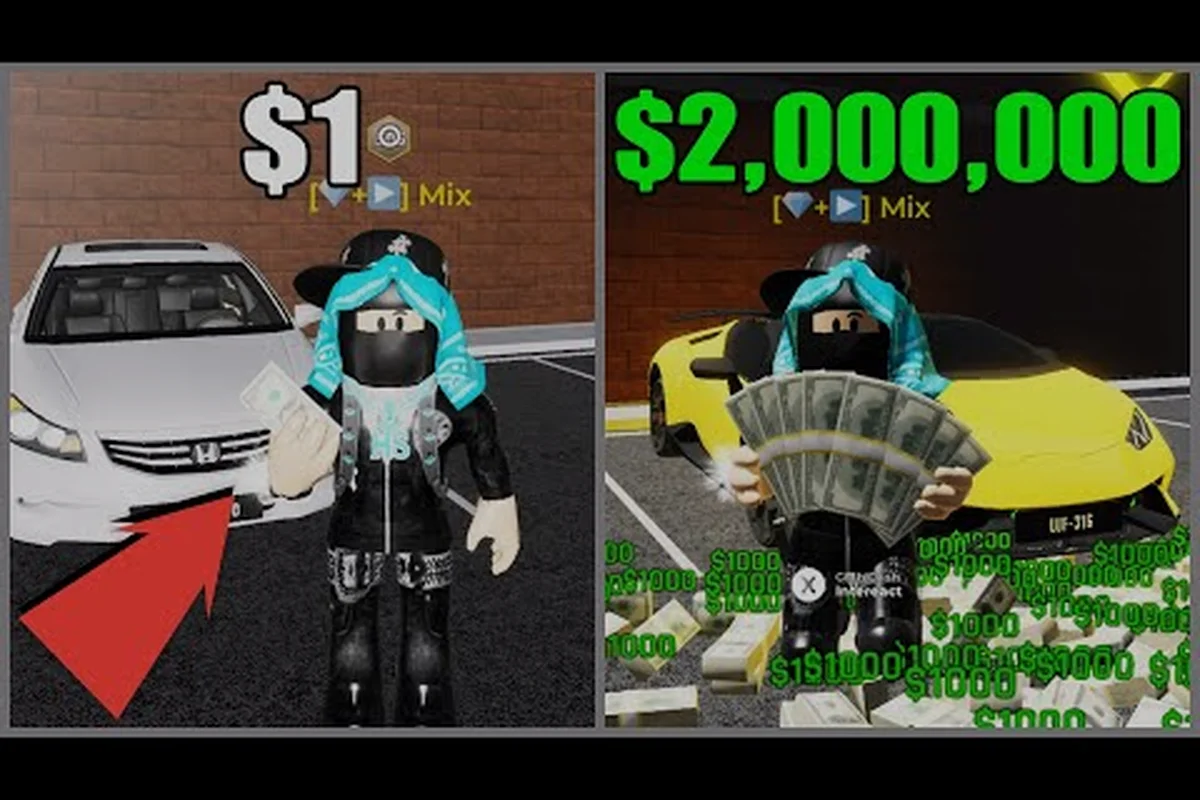
The Street Life Remastered market is the most reliable way to multiply your cash once you understand how supply, demand, and trader role perks actually behave in-game. Most new players grind cash the hard way, then watch their balance evaporate on overpriced guns, cars, and crypto coins they could have flipped for 2x to 5x profit. This market guide teaches you the flip tactics, pricing instincts, and trader role optimizations that separate casual sellers from players who build a steady business on the in-game exchange.
According to the official Street Life Remastered page, the in-game market operates on a dynamic supply-and-demand system where player-driven pricing determines the value of goods traded across the city.
Understanding the Street Life Remastered Market System
The market in Street Life Remastered is a player-driven economy layered on top of fixed NPC vendors, and learning to read the gap between the two is the foundation of every smart trading move. According to the official Roblox game page, the hood game is designed around open-world progression where your phone acts as a portable trading terminal, letting you buy and sell items, weapons, cars, and crypto from anywhere on the map. The phone is the single most important tool for any trader role build.
Fixed Vendors vs Player Listings
Fixed NPC vendors sell baseline items at a steady price and buy them back at roughly 40–60% of their value, which makes them a loss-making source of inventory if you treat them as your only option. The real money lives in the player-driven market, where supply and demand swing wildly after every update, seasonal event, or new gun drop. Community reports suggest the best margins appear within the first 48 hours after a new item enters the rotation, because early sellers race to offload while informed buyers sit on cash waiting for a dip.
| Vendor Type | Buy Price Behavior | Sell Price Behavior | Best Use Case |
|---|---|---|---|
| NPC Vendor (fixed) | Static, never changes | 40–60% of buy | Emergency liquidity only |
| Player Market (weapons) | Volatile, drops after patches | 70–95% of recent peak | Flip after new drops |
| Player Market (cars) | Slow-moving, very volatile | 85–200% of base | Long-hold investment |
| Player Market (crypto) | Updates every few minutes | Highly speculative | Active screen-watching |
The Phone Trading Terminal
The in-game phone is your real storefront, and every flip, order, and price check happens through it. According to community testing reported across the flipsy's games group, the phone refreshes listings on a short timer, so a deal that exists one minute can vanish the next if another trader snipes it first. Setting up notifications and checking the phone every 30–60 minutes during peak play hours is a baseline habit for any serious trader.
Flip Items: The Core Strategy for Money Growth
Flipping items is the fastest and lowest-risk way to start growing cash because you do not need a huge bankroll, and you can complete your first flip in under an hour. The mechanic is simple: buy an item below its average market price, wait for the market to rebound or for demand to spike, and sell at a higher price. The challenge is identifying which items are temporarily underpriced and which ones are simply unpopular.
Best Item Categories to Flip
Not every item in the game is worth your time, and the categories below consistently deliver the strongest returns based on community observation. Weapons are the most active market segment because new gun drops create predictable panic-sell patterns. Cars move slower but yield the largest single-flip profit, and crypto sits at the top of the risk-reward spectrum.
| Category | Flip Speed | Average Profit per Flip | Skill Required |
|---|---|---|---|
| Common Weapons | 30 min – 2 hours | 15–40% markup | Low |
| Rare Guns (post-patch) | 2–24 hours | 40–120% markup | Medium |
| Exotic Cars | 1–7 days | 50–150% markup | High |
| Crypto Coins | Minutes | 5–25% per trade | High |
The 48-Hour Flip Window
Community reports consistently point to a 48-hour flip window after any new item drop, because that is when the most uninformed sellers flood the market. The mechanic is straightforward: panic sellers list new items fast to free up cash, which crashes the price below intrinsic value. Patient buyers who wait 24–48 hours can scoop up underpriced stock, then resell once the dust settles. This pattern repeats every patch cycle, so building a calendar around update timing is a foundational money growth tactic.
Trader Role: Unlocking Perks and Passive Income
The trader role in Street Life Remastered is the dedicated business class, and it transforms casual flipping into a structured income stream with passive bonuses. Players who commit to the trader role unlock perks like reduced listing fees, faster sell times, and access to exclusive trade-only channels. According to community data, traders who max the role earn roughly 20–35% more per flip than players who grind flipping without the role.
Trader Role Perks Breakdown
Each trader role perk adds a compounding advantage, and stacking them early is one of the smartest long-term investments you can make. The table below summarizes the perks players report after maxing the trader role tree. Values may vary by patch, but the relative impact stays consistent across recent updates.
| Perk | Effect | Reported Tier |
|---|---|---|
| Reduced Listing Fee | -25% tax on every sale | Tier 1 |
| Faster Sell Speed | Listings fill 30% quicker | Tier 2 |
| Trade-Only Channel Access | See private seller listings | Tier 3 |
| Bulk Listing Tool | List up to 20 items at once | Tier 4 |
| Price Alert System | Phone notifies on underpriced items | Tier 5 |
Combining the Trader Role with Crypto Trading
Pairing the trader role with active screen-watching on the crypto market is the highest-velocity cash strategy in the game, and the Street Life Remastered crypto trading breakdown covers the price-tick mechanics in detail. The combination works because crypto prices fluctuate every few minutes, and the trader's price alert system flags dips the moment they appear. Community reports suggest a dedicated crypto trader can clear 50,000 in-game cash per hour during high-volatility windows, which is several times the yield of a standard item flip.
Building a Business: Step-by-Step Money Growth Plan
A real Street Life Remastered business guide is not about one lucky flip, it is about stacking repeatable systems that compound over weeks. The plan below walks through a realistic progression from a starting bankroll of roughly 5,000 cash to a six-figure operation. The timeline assumes average play sessions of 1–2 hours per day, which is what most community-tested money growth methods are built around.
Phase 1: Foundation (Days 1–7)
Start by grinding the beginner money farm routes until you have a starting bankroll of 5,000–10,000 cash, then immediately unlock the trader role to begin reducing your tax burden. Use this first week to learn the phone interface, watch the crypto market, and build a mental price log of common weapons. Do not chase exotic cars or rare drops yet, because your bankroll is too thin to absorb a single bad flip. The goal of phase 1 is to learn the rhythm of the market without risking meaningful capital.
Phase 2: Active Flipping (Days 8–21)
Once you have 10,000–25,000 in cash, start active flipping on common weapons and mid-tier guns. Build a watchlist of 10–15 items and check their prices twice per day. The table below shows a sample weekly rotation that has worked for community testers, though results vary by patch and playtime.
| Day | Action | Expected Net Profit |
|---|---|---|
| Mon | Buy 3 underpriced common guns, list for 25% markup | +1,500 |
| Tue | Hold listings, monitor crypto for entry | 0 |
| Wed | Sell 1–2 listings, reinvest 50% | +2,000 |
| Thu | Scout cars, no purchases yet | 0 |
| Fri | Buy 1 mid-tier car during weekend dip | -8,000 |
| Sat | List car for 30% markup, sell by Sunday | +2,400 |
| Sun | Restock weapons, reset watchlist | +1,800 |
Phase 3: Scaling the Operation (Day 22+)
After three weeks of consistent flipping, your bankroll should clear 100,000, which is the threshold where exotic cars and rare event drops become viable targets. At this stage, the event money strategies start paying off because seasonal items can flip for 200%+ profit during limited windows. Consider parking excess cash in a low-volatility crypto coin to earn passive interest, then rotate the principal back into flipping capital every 7–10 days.
Advanced Tactics: Crypto, Cars, and Cross-Market Hedging
Once your trader role is maxed and your bankroll is healthy, the next step is hedging across multiple markets to smooth out the inevitable losing streaks. No trader wins every flip, and the difference between a hobbyist and a business is the ability to absorb losses without going broke. The tactics below are what experienced players use to stay profitable through every patch cycle.
Crypto Volatility Cycles
The crypto market in Street Life Remastered runs on short cycles that are visible to anyone who watches the phone for 30 minutes. Community data suggests three predictable patterns: morning dips, evening spikes, and weekend crashes. Buying during the morning dip and selling into the evening spike is a low-stress way to compound cash, while weekend crashes offer deeper entry points for higher-risk positions. The crypto prices reference gives a snapshot of typical volatility bands based on community observation.
Car Flipping as a Hedge
Cars are slow-moving but stable, which makes them the perfect hedge against the fast-paced volatility of weapons and crypto. A car you buy on Monday can sit in your garage absorbing no risk while your active flippers run hot, and you sell it a week later for a guaranteed markup. The mechanic is similar to long-only stock investing in real markets: lower upside per trade, but much lower variance. Community-tested car flip margins hover around 50–80% on mid-tier vehicles, which is solid growth for a passive hold.
Risk Management Rules
Every profitable trader follows a small set of hard rules, and breaking them is how beginners blow their bankrolls in a single bad session. Never put more than 30% of your total cash into a single flip, because one bad call should not wipe you out. Always keep a 20% cash reserve untouched so you can scoop up emergency dips when other sellers panic. Track every trade in a simple spreadsheet, because the data will show you which categories actually deliver and which ones just feel profitable.
Frequently Asked Questions
What is the fastest way to start flipping in Street Life Remastered?
Start with common weapons because they have the shortest flip cycle, the lowest capital requirement, and the most consistent demand across the player base. Buy three to five underpriced guns during a quiet play window, list them at a 25% markup, and reinvest every successful sale to compound your bankroll.
How does the trader role help with money growth?
The trader role reduces your listing fees, unlocks faster sell speeds, and gives you access to private trade channels where motivated sellers list below market price. Stacking these perks early is one of the smartest business guide moves because every percentage point saved on fees compounds across hundreds of future trades.
Is crypto trading riskier than item flipping?
Yes, crypto is the highest-velocity and highest-volatility segment of the Street Life Remastered market, which means bigger upside per trade but also bigger downside. Most experienced traders run crypto as roughly 20–30% of their total trading capital and keep the bulk of their bankroll in slower, steadier item and car flips to balance the risk.
How long does it take to build a real trading business in-game?
Community timelines suggest 3–4 weeks of consistent play to grow from a 5,000 starting bankroll to a six-figure operation, assuming 1–2 hours of active trading per day. The exact timeline depends on patch timing, market volatility, and how disciplined you are with reinvestment, but the compounding curve is reliable if you stick to the plan.
Can I flip cars without maxing the trader role?
Yes, but your margins will be smaller because you pay full listing fees and you do not have access to the trade-only channel. The trader role perks accelerate car flipping significantly, and most experienced players recommend reaching at least tier 3 of the role before parking serious capital in a single vehicle.