
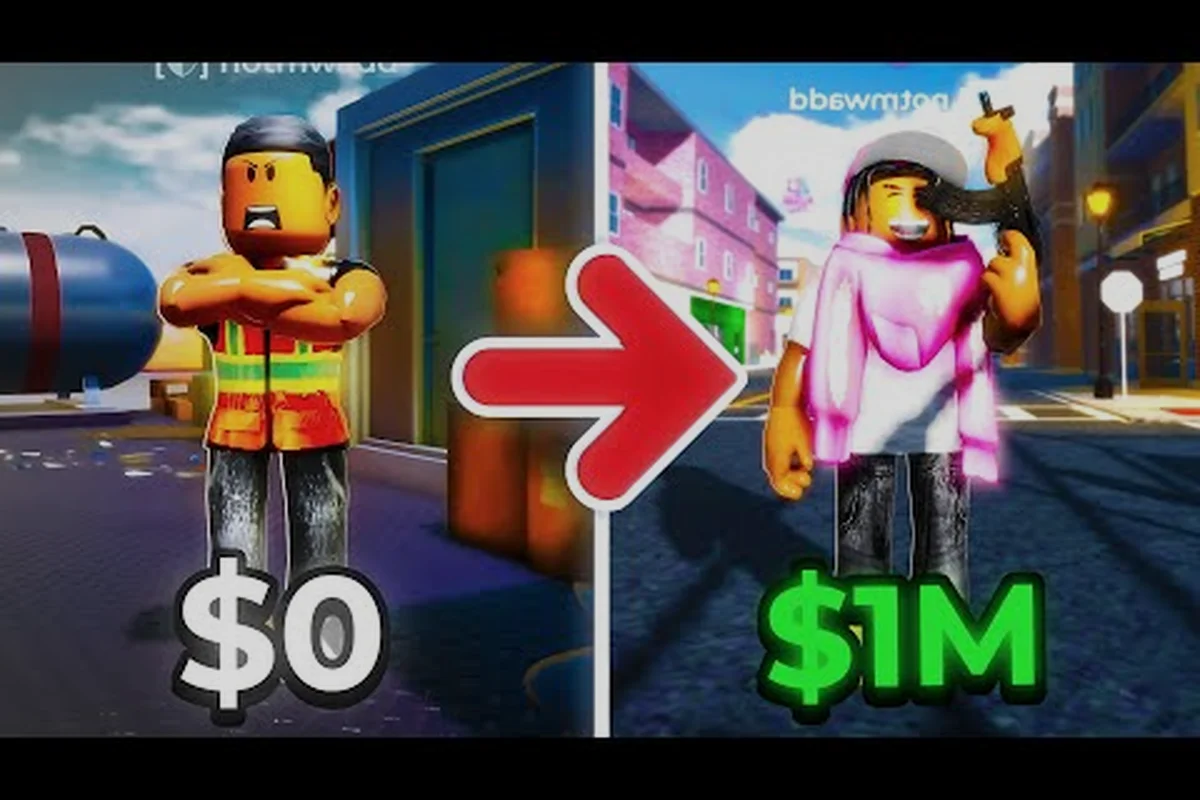
Street Life Remastered drops every new player into a sprawling Roblox hood world where the gap between broke hustler and flashy kingpin can close in a single afternoon if you know where to look. The game hands you nothing, and that is exactly the point: every dollar in your pocket came from a bag, a heist, or a hustle you engineered yourself. This Street Life Remastered beginner guide walks you through the core hood game loop, the first cash pipelines worth opening, and the habits that separate one-shot rookies from players who actually stack a real wallet.
Because the open world is genuinely open, the first hour can feel chaotic. New players bounce between robbing a convenience store, running from the police, hunting for a gun spawn, and staring at a phone screen full of buttons they do not yet understand. The goal of the next several sections is to remove that chaos and replace it with a clean, repeatable order of operations. Once that rhythm clicks, the rest of the game opens up naturally, and the climb from rags to riches stops feeling like a grind and starts feeling like a strategy.
The Core Hood Game Loop Explained
The hood game loop in Street Life Remastered is built on a small set of interlocking systems, and understanding how they feed each other is the first real skill you need. According to the official Street Life Remastered page on Roblox, the open world supports robbing banks and houses, faction turf wars, police work, gym training, music careers, crypto trading, and exotic car flexing. New players do not need to touch every system on day one, but they do need to understand the engine that ties cash, weapons, and reputation together.
At the simplest level, the loop works like this: you earn cash through starter hustles, spend it on tools (guns, cars, outfits, housing), use those tools to unlock higher-paying hustles, and repeat. The trick is that each rung of the ladder usually requires a different mix of stats, gear, and street reputation. A player who tries to skip straight to bank heists without the right weapons and crew is just donating time to the respawn screen.
The Five Stages of the Rags to Riches Climb
Every player passes through roughly the same five stages, even if the order shifts slightly based on the latest 2026 updates. Knowing which stage you are in tells you exactly which activities pay off and which ones are a waste of time.
| Stage | Cash Range (approx.) | Main Goal | Best Activities |
|---|---|---|---|
| 1. Broke | $0 – $5,000 | Survive and stack starter cash | Convenience store robs, basic bag pickups, training at the gym |
| 2. Armed | $5,000 – $25,000 | Gear up for real heists | Gun hunting, house robs, low-level faction work |
| 3. Mobile | $25,000 – $100,000 | Buy a vehicle and escape the on-foot grind | Car shop browsing, first exotic save-up, apartment hunting |
| 4. Established | $100,000 – $500,000 | Stack passive and semi-passive income | Crypto trading, turf control, music studio gigs |
| 5. Kingpin | $500,000+ | Flex and reinvest | Exotic car flex, high-end apartment, faction leadership |
Players report that the transitions between these stages are the most common points where new accounts get stuck. A player who hits $6,000 and blows it all on a flashy outfit instead of a starter weapon usually ends up back at stage 1 within an hour, because the gun is what unlocks the next tier of payouts.
Cash Sources Ranked by Time-to-Payout
Not all hustles are equal when you are still learning the map, because the underlying economy scales payout against your current heat level, equipped weapon tier, and even the in-game clock. A convenience store run at minute two of a session, for example, pays the baseline $200 minimum but balloons past $500 once your Street Rep crosses 1,000, while a low-tier house rob done on the same block but with a default pistol often locks you into a short police chase that erases the time saved. The following table ranks the most reliable beginner cash sources by how quickly they convert raw effort into usable dollars, based on community play patterns logged across the first two progression stages.
| Hustle | Typical Payout | Time Needed | Risk Level | Beginner Friendly? |
|---|---|---|---|---|
| Convenience store | $200 – $600 per run | 1 – 2 minutes | Low | Yes |
| House rob (low-tier) | $800 – $2,000 | 3 – 5 minutes | Low-Medium | Yes |
| Bag pickups / side hustles | $100 – $500 | 30 – 90 seconds | Low | Yes |
| Gym training -> stat-boosted heists | Indirect 10-20% boost | 5 minutes upfront, then ongoing | None | Yes |
| Bank rob (with crew) | $20,000 – $100,000+ | 15 – 30 minutes | High | No, until stage 2-3 |
| Crypto trading on the in-game phone | Variable | 5 – 30 minutes | Medium | No, until stage 4 |
The lesson is straightforward: stack the boring small hustles first so the bigger heists are actually profitable once you can attempt them. A bank job with a rusty starter weapon and no armor is just a long walk to a respawn screen.
Building Your First Cash Pipeline
A cash pipeline is a repeatable chain of actions that pulls money into your wallet faster than it leaks out, and every successful Street Life Remastered player runs at least one. For new players, the cleanest pipeline is the one that combines short, low-risk hustles with smart spending on gear that multiplies those hustles' payouts. You can read more on the wider hood game flow in our Street Life Remastered roleplay and hood game guide.
The Three Pipelines Worth Opening First
There are dozens of ways to make money in the hood, but only a handful make sense for a player still learning where the gun spawns are. These three pipelines are the ones veterans recommend, because each one is forgiving, repeatable, and scales with your gear rather than resetting every patch.
-
Convenience store loop: Rob stores, deposit cash, respawn in a safe spot, repeat. Best for pure cash accumulation during your first 30 minutes online.
-
House rob + gym training loop: Hit one or two houses per run, then hit the gym to boost the strength stat that increases bag capacity. More bag space means fewer banking trips and more money per minute.
-
Faction turf support loop: Join a beginner-friendly faction and support cap-and-hold missions. Payouts are smaller than bank robs, but the turf prizes stack into passive bonuses.
For most players, the right move is to run the convenience store loop for the first 20-30 minutes, switch to house robs once you have a starter weapon, and only then look at faction work. Rushing into a faction with zero cash and no gear is the single most common beginner mistake.
Starter Gear Priority List
Your first $5,000 to $10,000 is the highest-leverage window in Street Life Remastered because every early dollar compounds across bag capacity, rob payouts, and hustle unlocks for the rest of your save. The table below ranks gear strictly by ROI speed — the starter pistol unlocks medium-risk hustles, gym training boosts your carry weight and rob takings, and a cheap used car only enters the list once your offense is already solid. Skip any step and the gap widens fast, because respawn penalties drain unbanked cash within two or three failed runs.
| Priority | Item Type | Why It Pays for Itself | Approx. Cost |
|---|---|---|---|
| 1 | Starter pistol | Unlocks medium-risk hustles and basic defense | $1,500 – $3,000 |
| 2 | Gym strength training | Increases bag capacity and rob payouts | $500 – $1,000 |
| 3 | Basic phone plan | Unlocks in-game crypto trading and side hustles | $1,000 – $2,500 |
| 4 | Cheap used car | Cuts travel time between heists by 50%+ | $5,000 – $15,000 |
| 5 | Faction entry / dues | Opens turf prizes and group payouts | Variable |
Notice that the starter pistol comes before the car. Many new players reverse this order, buy a flashy used car first, then realize they cannot defend themselves during a rob and lose both the car and the cash. Gear up for offense first, mobility second, flex third.
Pro Tips for Robbing, Banking, and Surviving
Robbing well in Street Life Remastered is less about twitch aim and more about choosing the right target, the right time, and the right exit. Pro players treat each heist like a math problem: expected payout minus expected cost (ammo, repairs, time, death penalties) equals net profit. If the number is negative, they skip the job and stack smaller hustles instead. This habit alone separates casual players from the leaderboard crew.
A solid first-day routine usually looks like this: spawn in, hit two convenience stores, deposit cash, swing by the gun spawn area to check for a starter pistol, do a quick gym session to raise strength, then run one or two house robs before logging off. This takes about 30-45 minutes and reliably puts a brand-new account at stage 2 of the climb. If you are still figuring out exactly how the first 60 minutes should look, our Street Life Remastered first hour guide breaks the opening session into even tighter steps.
Robbing Etiquette and Survival Rules
Robbing without getting rolled is a skill, and the pros follow a short list of unwritten rules that keep them alive. These rules are not written anywhere in the game UI; they are learned the hard way by players who ignored them and lost their first big payouts.
-
Never rob with a full inventory. Bank or stash cash every 2-3 runs so a single death does not wipe your session.
-
Listen for police chatter before going loud. A nearby cop player will end a bank rob in under a minute if you do not clear the area.
-
Use cover, not open streets. Most player ambushes happen on the main roads between heist locations.
-
Time your heists off-peak. Late-night or early-morning servers usually have fewer experienced players hunting newbies.
-
Treat the gym as a multiplier, not a chore. A single strength session can pay for itself within one bank rob.
On paper every rule above reads like common sense, but the moment a crew triggers a silent alarm and sirens start layering over the ambient city hum, even veterans will instinctively break them — sprinting down Main Street with a full bag, ignoring the police scanner, or burning stamina in a panic gym skip. The fix is mechanical: bind your banking hotkey before logging in, mute voice chat during the loud phase, and treat your first ten robberies as rehearsal runs where the only goal is leaving with any profit, not a record payout. After that repetition the muscle memory kicks in and the rules stop feeling like a checklist.
When to Spend vs. When to Save
One of the hardest habits for new players to build is the difference between spending cash and investing it. Pro players treat every purchase as one of three categories: consumable (food, ammo, repairs, gas), gear (guns, cars, apartments), and flex (outfits, exotic cars, status items). The first two are fine at any time. The third should wait until you have at least one bank tab full of gear and a reliable income stream.
The breakdown below comes from veteran players who have run hundreds of bank robs and drug runs on crowded public servers, and the percentages reflect how they actually split every payday once they hit a stable cash level. Because the figures are community-reported averages pulled from Discord logs and Reddit threads rather than anything hard-coded into Street Life Remastered's economy, your real split should flex with what you are about to do next — pushing weight on a $15,000 drug shipment, for example, demands a much heavier consumables slice than the table suggests. Treat the numbers as a starting budget, not a rulebook.
| Cash Level | Consumables | Gear | Flex |
|---|---|---|---|
| Under $5,000 | 60% | 40% | 0% |
| $5,000 – $25,000 | 40% | 55% | 5% |
| $25,000 – $100,000 | 25% | 60% | 15% |
| $100,000+ | 15% | 50% | 35% |
If you follow this split, you will never be the player who shows up to a bank rob in a $200,000 exotic car with a starter pistol and no ammo. That player is the meme of every rookie server.
Avoiding the Most Common Beginner Mistakes
Almost every Street Life Remastered player makes the same handful of mistakes during their first week, and the gap between a player who knows about them and a player who does not is enormous. The mistakes are not game-ending on their own, but they compound quickly: a single bad habit can waste an entire evening, and a stack of bad habits can stall your account at stage 1 for days.
For a deeper dive into the pitfalls and the hidden features that the in-game tutorial never explains, the Street Life Remastered reset and beginner mistakes guide is a strong companion read. Below is the shortlist of mistakes that show up in nearly every "how to play" thread.
The Seven Rookie Traps
These are the seven rookie traps that cost new players the most starter cash in Street Life Remastered, ordered from biggest wallet-bleeder to most-overlooked mistake — and most of them happen inside the first 30 minutes of a fresh character, before the gym, phone, and faction systems have even been unlocked. Catching them early is the single fastest way to flip a rough first session into a steady climb, since the early-game economy punishes unbanked wallets and skipped stat investments far harder than late-game grinding ever will.
-
Spending starter cash on flex instead of a starter pistol or gym training.
-
Robbing the bank with no crew and no armor, then losing the payout to a respawn timer.
-
Ignoring the in-game phone, which hides trading, side hustles, and stat boosts behind a UI many players never open.
-
Hoarding cash on the character instead of banking it, then losing the entire wallet in one death.
-
Skipping the gym because the rewards feel small, when in fact strength is the single biggest stat for bag-based income.
-
Joining the first faction you see without checking whether it actually runs turfs or just collects dues.
-
Trying to grind the late-game economy (crypto, music studio) at stage 1, when the early game is where the fastest gains actually live.
Fixing even three of these habits will noticeably speed up your climb — for example, banking after every hustle run, buying the starter pistol before any clothing flex, and opening the phone UI to grab the free stat boost can be done inside the first 20 minutes of a fresh character and immediately flattens the early-game wallet bleed. Fixing all seven will probably put you ahead of 80% of new players in your first weekend, because most newcomers burn through the starter cash bundle, ignore the gym strength curve, and chase the crypto grind before stage 1 payouts even cap out.
Quick Self-Check Before Each Session
Before you log in for a run, run through this 30-second checklist covering weapons, inventory, gym, turf, and a cash goal — the exact five questions tabled below. It is the same mental checklist experienced players use before queuing for hustles, heists, or turf pushes, and it is one of the simplest Street Life Remastered tips and tricks for protecting your wallet. Skipping it is how beginners end a session broke after a failed robbery, an overstuffed inventory that wipes on death, or a gym-stamina crash mid-push.
| Question | Yes / No | Action if No |
|---|---|---|
| Do I have at least one weapon equipped? | Yes / No | Visit a gun spawn before doing any heists. |
| Is my inventory below 50% capacity? | Yes / No | Bank cash or stash valuables first. |
| Have I trained at the gym in the last 24 in-game hours? | Yes / No | Slot in a quick gym session between hustles. |
| Is my faction's turf stable? | Yes / No | Skip turf-dependent hustles for the session. |
| Do I have a clear cash goal for this run? | Yes / No | Pick one number (e.g. $20,000) and stop when you hit it. |
Runners who tick all five boxes typically bank a surplus by the end of the session because the checklist directly prevents the three biggest cash leaks in Street Life Remastered — dying mid-heist with a full inventory, joining a turf push while stamina is in the red, and grinding past a sensible cash goal. Skip any one box and you risk losing a payday's worth of loot to a single failed robbery or a stamina crash at the worst possible moment, which is exactly how beginners end up wondering where two hours and a full inventory went.
Leveling Up: From Broke to Kingpin
Once you have the cash pipeline humming, the game shifts from "survive" to "optimize." This is where the real Street Life Remastered pro tips start to matter, because the difference between a stage 3 player and a stage 5 player is almost entirely about how they spend their time, not how many hours they log.
The three biggest levers in the late-early game are vehicles, the apartment, and the in-game phone. A starter car cuts travel time, which is the hidden tax on every heist. An apartment unlocks passive bonuses and a safe respawn point that removes the "where do I wake up after dying" problem. The phone, once you actually learn it, opens up crypto trading, side hustles, and a handful of stat-boosting apps that quietly multiply every other income source. For the full economy breakdown, our Street Life Remastered trading and economy guide goes deep on the buy-low, sell-high loop.
Choosing Your First Big Purchase
At around the $25,000 mark, the decision between a used starter car, a cheap apartment, or crypto starting capital really comes down to how you plan to play your first 10–15 hours of Street Life Remastered, and the table below breaks down the upside, downside, and ideal player profile for each so you can match the purchase to your route rather than chasing what streamers buy. Because three of the seven core progression nodes gate on property ownership or vehicle speed, choosing wrong here can lock you out of early heist access for a full in-game day cycle.
| Purchase | Upside | Downside | Best For |
|---|---|---|---|
| Used starter car | Fast travel, escape chases, easier heist access | Still slow in chases, modest flex value | Players who rob across the map |
| Cheap apartment | Safe respawn, passive income, storage | Less exciting than a car | Players who want stable income |
| Crypto starting capital | Highest upside, learning curve | Can lose money if you sell low | Players who enjoy the phone mini-game |
Most pro players recommend the apartment at this stage, because the safe respawn alone saves more time than a slightly faster car. Crypto is the long-term play, but it should not be your first big swing unless you already understand the in-game price curve.
Building a Long-Term Routine
By the time you reach stage 3, your session should look less like a series of one-off robs and more like a checklist. The best routines share three traits: they front-load the high-payout hustles, they batch travel between nearby locations, and they end with a banking trip so you never log off with a full inventory. A common end-game routine looks like this:
-
Block 1 (10-15 min): Quick gym session, then one bank rob with a small crew.
-
Block 2 (15-20 min): Two to three house robs in the same neighborhood, batched together.
-
Block 3 (10 min): One or two turf support actions for your faction.
-
Block 4 (5-10 min): Phone check for crypto trades and side hustles.
-
End of session: Bank everything, screenshot your wallet, log off.
Players who adopt a checklist routine like the one above typically hit the kingpin stage in roughly 10-14 days of casual play, compared to the 30-40 day grind that players who just log in and wing it usually face — and the difference comes down to how efficiently each session converts raw hustles into banked cash, since wandering between robs and forgetting to deposit is the single biggest XP-and-cash leak in the early kingpin grind.
Frequently Asked Questions
What is the fastest way to make money as a beginner in Street Life Remastered?
The fastest beginner pipeline is the convenience store loop combined with a quick gym session. Rob two to three stores, bank the cash, then train strength to raise your bag capacity, then repeat. Once you have a starter pistol, switch to low-tier house robs for noticeably bigger payouts. This is the core of any solid Street Life Remastered beginner guide because it works even on a brand-new account with no gear.
Should I join a faction right away or grind solo first?
Grind solo for the first 30-60 minutes until you have a starter weapon and a small bankroll, then look for a beginner-friendly faction. Factions offer better payouts through turf prizes and group heists, but joining empty-handed usually means you spend more time paying dues than earning. A solo foundation of one to two hours makes every faction activity you do afterward more profitable.
How important is the in-game phone and crypto trading for new players?
The phone is important, but crypto trading is not a beginner tool. New players should open the phone early just to unlock the side hustles and stat-boosting apps, then leave the actual buy-low-sell-high loop until they have at least $50,000 in stable cash. Jumping into crypto at stage 1 is one of the most common beginner mistakes, because a single bad trade can wipe a starter bankroll in minutes.
Is it worth resetting my character if I make a bad early-game decision?
Usually no. Most "bad" early decisions, like buying the wrong car or joining the wrong faction, can be recovered from by simply banking more and playing smarter. Resetting throws away progress and any items that do not transfer. The only time a reset genuinely helps is when a player realizes they have been ignoring a major system like the gym for weeks; in that case, a clean slate and a tighter routine can save time.
What is the single best beginner tip for climbing from rags to riches faster?
Bank your cash constantly and never rob with a full inventory. A single death can wipe 20-30 minutes of grinding, and the players who climb fastest are the ones who treat banking as part of the heist, not as something to do at the end of the session. Combine that habit with a starter pistol, a gym routine, and a faction once you are geared up, and the climb from rags to riches becomes a matter of when, not if.