
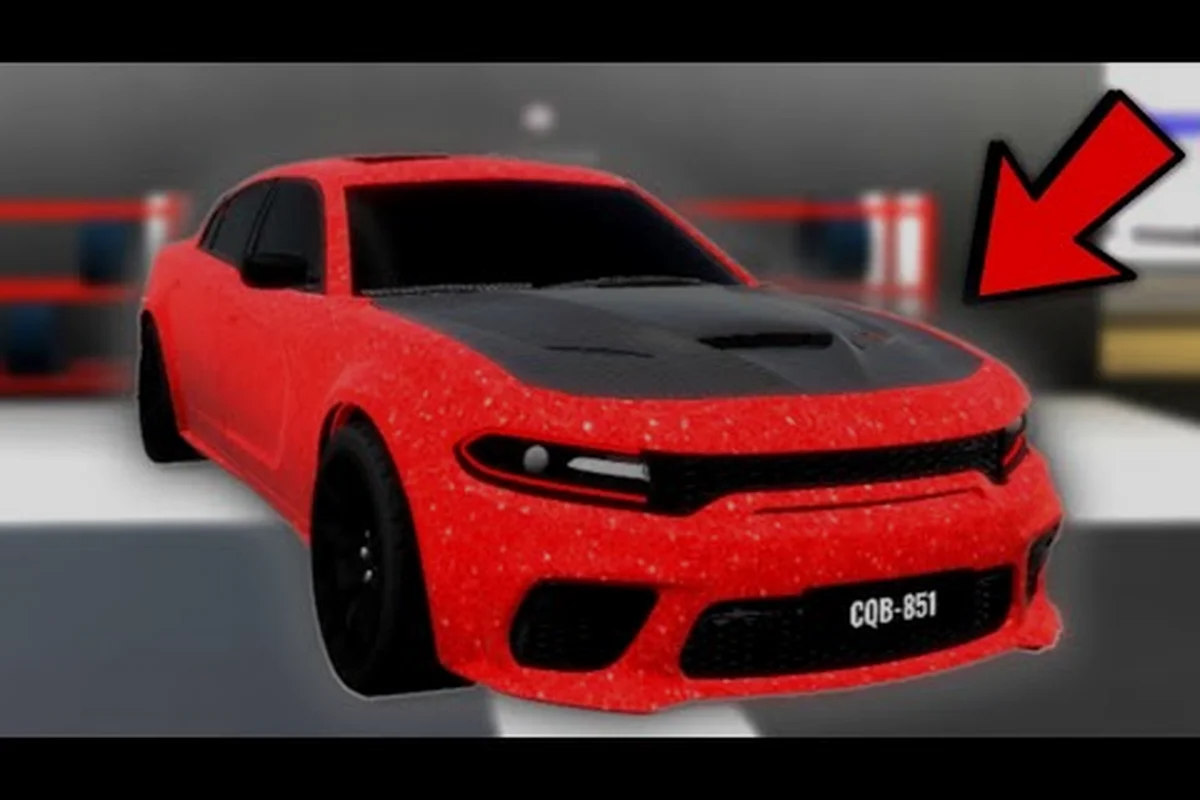
Pulling up to a Street Life Remastered car dealership is the fastest way to turn walking simulator hours into rolling in style, but only if you know which shop sells what, how the upgrade tiers chain together, and where your freshly painted ride actually lives when you log off. This guide maps every dealership on the block, breaks down the customization menu, color swaps, performance parts, and the storage rules that keep your collection intact between sessions.
Whether you grind money by robbing banks, hustling the music studio, or stacking faction turf payouts, your car is both a status symbol and a getaway tool. Learning the dealership loop means fewer wasted runs, smarter upgrades, and a garage full of rides that actually fit your playstyle. Below is the full roadmap based on the latest 2026 patch and community-tested routines.
Finding Every Street Life Remastered Car Dealership Location
The map is split into several dealership clusters, each specializing in a different price tier and class. Spawn points, role availability, and the surrounding economy all change which shop deserves your first visit, so it pays to know the layout before you dump a paycheck on a car you cannot afford to insure.
Dealership Spawn Map and Access Routes
There are four main dealerships scattered across the open world, plus a rotating weekend pop-up that appears near the pier during limited events. Below is the current layout, sourced from community mapping and confirmed against the Street Life Remastered on Roblox game page.
| Dealership | Neighborhood | Vehicle Tier | Entry Fee | Best For |
|---|---|---|---|---|
| Southside Motors | Starter block, near the gym | Budget sedans, compact SUVs | Free | First car after tutorial |
| Crown Imports | Mid-city strip, beside the pawn shop | Sports coupes, muscle cars | $5,000 | Mid-game progression |
| Apex Exotics | Hillside, gated entrance | Supercars, limited SRT drops | $25,000 | End-game flex builds |
| Rust Bucket Used Cars | Industrial edge, near the docks | Pre-damaged, salvage title rides | $500 | Money-farming experiments |
| Pier Pop-Up | Pier parking lot (weekend only) | Event cars, seasonal paint jobs | Free | Limited edition grabs |
Each dealership stays open 24/7, so late-night grinders do not have to wait for a business hour cycle. The entry fee functions as a reputation gate, not a purchase tax, so you can browse the showroom without committing cash until you actually click a vehicle.
How to Reach the Dealerships Without a Car
Walking is the obvious answer, but the map is wide and you will get chased by cops or rival factions before you arrive, and the dealership waypoints themselves sit across the three main boroughs roughly 1.2–1.8 km apart on foot. The recommended order below is based on what most new players actually do in their first two in-game days: start at the cheapest lot closest to the starter apartment, save up enough to handle the next dealership's minimum down payment, then work outward toward the import garage on the east side.
-
Use the train station in the starter district. It drops you within two blocks of Southside Motors and the industrial Rust Bucket lot.
-
Call a taxi from the phone in your apartment. The driver ignores gang shootouts, so it is the safest taxi in the city and costs a flat $200 per ride.
-
Steal a street car as a last resort. Any sedan can be hotwired near the curb, but stolen cars despawn when you log out, which is why most players treat them as burners, not collectibles.
A quick tip: the street life remastered best value car guide breaks down which dealership actually pays off once you factor resale, insurance, and storage limits. It pairs naturally with this section if you want a deeper comparison of price tiers.
Street Life Remastered Car Customization: What the Shop Menu Actually Does
Once you walk into any dealership, the customization booth sits behind the showroom floor. It is a single NPC named Cal who handles paint, rims, plates, underglow, and a handful of cosmetic body kits. Cal does not touch performance, which is why you will see a separate booth called the Tuner Garage for upgrades.
Customization Categories Available
The customization menu is split into seven tabs, and each tab has a different price curve. Knowing which category to prioritize saves you from burning a paycheck on a visual mod that does nothing for resale value. New players often dump $10,000 into a pearlescent respray their first week, only to discover the hidden multiplier barely shifts when they list the car at the street life remastered car dealership lot. The smarter move is testing one cheap body kit swap on a $400 starter sedan first — the same upgrade later installed on a Tier 3 import returns nearly triple the markup at resale, so scaling your budget to the chassis tier protects long-term street life remastered car storage value.
| Customization Tab | What It Changes | Price Range | Resale Impact |
|---|---|---|---|
| Paint & Colors | Base coat, metallic, pearlescent, matte | $200–$5,000 | Medium |
| Wheels & Rims | Spoke patterns, sizes, off-road sets | $500–$8,000 | High |
| Plates & Badges | Custom text, faction logos | $50–$500 | Low |
| Underglow | Neon colors under the chassis | $300–$2,000 | Low |
| Body Kits | Spoilers, side skirts, bumpers | $1,000–$15,000 | High |
| Tints | Window darkness, windshield strip | $150–$1,500 | Low |
| Interior | Seat color, dash trim, steering wheel | $400–$3,000 | Medium |
The resale impact column matters because every custom car you build gets a hidden value multiplier. Body kits and wheel choices raise that multiplier the most, while plates and tints barely move the needle. If you plan to flip rides for profit, stack your budget on the two high-impact categories and skip the rest until the car is paid off.
Cal's Hidden Options and Community Finds
Cal will not advertise every option on the first visit. According to community testing on the official flipsy's games Roblox group, reaching Reputation Level 12 with any dealership unlocks two extra paint palettes named Aurora Fade and Inferno Stripes, both of which cost a flat $4,500 regardless of vehicle tier. Reputation is earned by completing test drives, returning cars in one piece, and tipping the valet NPC at the dealership entrance.
Players also report that visiting the same dealership on three consecutive in-game days triggers a small discount on the next purchase, usually around 10 percent off whatever category you customized last. It is not officially documented, but the discount icon appears in the upper right corner of the shop screen, so it is easy to confirm in your own session.
Street Life Remastered Car Colors: Paint Codes, Palettes, and Combos
Colors are the single most popular customization category because they are the cheapest way to make a stock sedan look like a personal build. There are 64 base colors, 12 metallic variants, 8 pearlescent options, and 4 matte finishes, which sounds like a lot until you realize the game groups them by mood rather than by hex code.
Standard Color Palette and Pricing
| Color Family | Examples | Price Tier | Best Body Style |
|---|---|---|---|
| Classics | Pure White, Jet Black, Gunmetal Grey | $200 | Any |
| Street Pops | Lime Punch, Magenta Wave, Cyber Blue | $500 | Coupe, hatchback |
| Exotic Tones | Bordeaux, Olive Drab, Sand Storm | $1,200 | SUV, muscle |
| Metallics | Silver Bullet, Bronze Age, Champagne Mist | $2,000 | Sports, sedan |
| Pearlescents | Ghost Pearl, Midnight Shimmer, Aurora Green | $3,500 | Supercar, SRT |
| Mattes | Flat Black, Desert Camo, Stealth Grey | $4,000 | Any, but the matte clear coat reduces resale by 5% |
| Aurora Fade (unlock) | Blue-to-purple gradient | $4,500 | Sports, supercar |
| Inferno Stripes (unlock) | Orange-to-red racing livery | $4,500 | Coupe, muscle |
The resale warning on matte paint is real, so do not commit to a flat finish unless you plan to drive the car into the ground. Pearlescent and metallic options, by contrast, hold their value almost as well as the original factory color, which makes them the smartest upgrade for players who flip cars on the secondary market.
Two-Tone and Custom Pattern Tips
Two-tone jobs are possible by painting the roof a different color from the body, but only at Crown Imports and Apex Exotics. Southside Motors and Rust Bucket do not have the pattern booth, so plan your first two-tone for a mid-game visit. The pattern itself costs an extra $1,000 on top of the second paint, and the work takes roughly ten in-game minutes, during which the car sits locked in Cal's booth.
For a quick flex without paying the pattern fee, swap your window tint to a contrasting color. A pearlescent body with charcoal tint reads as a two-tone from a distance and costs only $300 to $1,500 depending on shade. Most players use this trick until they can afford the real pattern.
Street Life Remastered Car Upgrades: The Tuner Garage Loop
Performance upgrades are a completely separate menu at the Tuner Garage, which sits one block north of Crown Imports. The tuner NPC, a former mechanic named Mack, only talks to you once you own a car, and the garage stays locked until you drive up in something you actually purchased.
Upgrade Tier Breakdown
| Upgrade Stage | Engine | Brakes | Suspension | Tires | Total Cost |
|---|---|---|---|---|---|
| Stage 1 | +10% top speed | +5% braking | Stock | Standard | $2,500 |
| Stage 2 | +20% top speed, better acceleration | +12% braking | Stiffer sway bars | Performance | $7,500 |
| Stage 3 | +35% top speed, turbo lag reduced | +20% braking | Track-tuned coilovers | Semi-slick | $18,000 |
| Stage 4 | +50% top speed, custom ECU map | +30% braking | Adjustable dampers | Full slick racing | $40,000 |
| Stage 5 (SRT-only) | +70% top speed, nitrous bottle included | +40% braking | Race-spec air ride | Drag radials | $90,000 |
Stage 5 is reserved for the SRT-class vehicles, which are the limited drops that show up in Apex Exotics. If you are still in the early game, focus on Stage 1 and Stage 2 because the cost-to-performance ratio is the best in the garage. Stage 3 and above only make sense if you are also stacking the Nitrous Refill passives from the gym trainer, otherwise the extra speed is wasted on the city streets.
How to Afford Upgrades Faster
Upgrades cost more than the cars themselves once you hit Stage 3, with each Stage 3→4 push on a single component commonly clearing $45,000 before paint and rim add-ons, so the grind has to match. Here is the most efficient routine reported by players who have built out Stage 4 builds without paying real money, focused on chaining the dealership's side gigs and resale loop rather than chasing the main story payouts.
-
Grind bank heists with a crew of three. The payout scales with crew size, and the getaway driver role only requires a Stage 1 car, so the cost of admission is low.
-
Run the cargo delivery side job between factions. Each run pays $1,500–$3,000 depending on distance, and the timer is generous enough to upgrade between drops.
-
Sell unwanted dealership cars at the pawn shop. Resale returns roughly 70% of the upgrade cost, which softens the blow of experimenting with a build you do not end up liking.
For the exact break-even math, the street life remastered best value car breakdown models the resale-vs-upgrade decision per Stage tier, factoring in the dealership's 70% pawn buyback, paint job markups, and the 15% street sale premium when you flip to NPC buyers instead of recycling inventory. It also flags the storage cap (12 cars) as the real ceiling, since you cannot stockpile rebuilt Stage 4 chassis indefinitely while grinding side jobs, so timing your sell window matters as much as picking the right base car.
Street Life Remastered Car Storage: Keeping Your Collection Safe
Buying cars is the easy part. Keeping them safe from despawn timers, server wipes, and accidental loss is where most new players lose their best rides. The storage system is split between the Personal Garage attached to your apartment, the Public Lot at each dealership, and the Vault Bay premium service.
Storage Type Comparison
| Storage Type | Capacity | Access | Cost | Best For |
|---|---|---|---|---|
| Personal Garage | 4 cars | Always, from apartment | Free with apartment ownership | Daily drivers |
| Public Lot | 1 car per dealership | Walk-in, no fee | Free | Test drives and loaners |
| Vault Bay Premium | 12 cars total | Phone app reservation | $2,000/month subscription | Collectors, resellers |
| Friend's Garage | 1 shared slot | Friend must be online | Trust-based | Co-op play |
| Insurance Hold | Temporarily stores destroyed cars | Insurance NPC at the docks | 10% of car value to recover | Recovering total losses |
The Personal Garage is the bread and butter of storage and it comes bundled with any apartment you purchase. The capacity is hard-capped at four, so once you hit the cap, every new car forces a sell or a swap unless you subscribe to Vault Bay. The subscription fee is steep at $2,000 per in-game month, but it is the only way to store full collections without juggling inventory in a Google Doc.
How the Despawn and Insurance Rules Work
Cars stored in any of the above systems persist through server shutdowns, logouts, and the daily 4 AM server reset. Cars parked on the street, however, have a despawn timer of 30 real-time minutes, after which the car vanishes and lands in the Insurance Hold for 24 hours. If you do not recover it in that window, the car is gone permanently and you only get a small insurance payout.
The recovery fee at the Insurance NPC is steep, so the rule of thumb is simple. Never leave a car parked on the street for longer than your break. If you plan to log off mid-session, drive it to a dealership public lot or your personal garage first, both of which save the car without the insurance penalty.
If you are still building your first apartment, the street life remastered cheapest car article pairs well with this section, because the cheapest rides are the ones you can actually afford to lose without crying.
Building the Best Dealership Routine for Your Budget
Knowing where the dealerships are, what the shop menu does, and how storage works is only useful if you can chain it into a repeatable routine. Below is a three-tier game plan that matches the most common budgets players report running on.
Tier 1: First Car (Under $5,000)
Buy the cheapest sedan at Southside Motors. Skip all customization, head straight to the Tuner Garage, and drop $2,500 on Stage 1 upgrades. The total outlay is roughly $4,500 plus tax, and the car handles daily bank heists without breaking down. Store it in the personal garage slot you got with the starter apartment, and do not touch color paint until you have at least $10,000 saved.
Tier 2: Mid-Game Flex ($5,000 to $30,000)
Visit Crown Imports, pick a sports coupe, and spend the rest of the budget split evenly between upgrades and customization. A pearlescent paint with Stage 2 performance parts reads as a serious build without breaking the bank. This is also the tier where the street life remastered car collection guide becomes relevant, because the Personal Garage fills up fast at this point.
Tier 3: End-Game Collector ($30,000+)
Subscribe to Vault Bay, start flipping limited cars from Apex Exotics, and stage every car with custom paint and Stage 3 upgrades. Treat the monthly subscription as a business cost because the resale gains on custom cars more than cover it. If you want a deeper dive into which limited cars actually hold value, the street life remastered new cars update post tracks the latest drops and the seasonal SRT releases.
Daily Routine Cheat Sheet
| Time Block | Action | Income / Outcome |
|---|---|---|
| Morning | Bank heist with a crew of 3 | $8,000–$12,000 per run |
| Midday | Cargo delivery side job, 3 runs | $6,000 per hour |
| Afternoon | Test drive a dealership car, return for the discount | Unlocks Aurora Fade at 3rd visit |
| Evening | Upgrade current car to next Stage | Performance boost |
| Night | Park in personal garage, log off | Car saved, no insurance fee |
Following this loop, a focused player can clear Stage 3 upgrades in roughly two real-time weeks, which lines up with what most community veterans report. The grind is not glamorous, but it is reliable, and the car you end up driving at the end of it is a direct reflection of the routine you stuck to.
Frequently Asked Questions
Where is the cheapest street life remastered car dealership?
The cheapest dealership is Rust Bucket Used Cars near the docks, where you can grab a salvage title sedan for $500. The cars come with pre-existing damage and lower base stats, so treat them as throwaway test drives rather than long-term daily drivers.
Can I change car colors after I buy a car?
Yes. Drive back to any dealership with a customization booth and talk to Cal. The paint job costs the same as it would have on a brand new car, and the booth locks the car for ten in-game minutes while the respray completes. You can swap colors as often as your budget allows, with no penalty for changing your mind.
How does car storage work between server resets?
Cars stored in your Personal Garage, Public Lot, or Vault Bay persist through every server reset and logout. Cars parked on the street have a 30-minute despawn timer, after which they enter the Insurance Hold for 24 hours and cost 10% of the car's value to recover.
What is the best upgrade path for new players?
Start with Stage 1 engine and brakes for $2,500 total, which covers the gap between a stock sedan and a workable getaway car. Save Stage 2 for after you have bought your first mid-game coupe, and avoid Stage 3 until your crew can consistently pull $10,000+ heists.
Do custom cars affect gameplay or just visuals?
Most customization is purely visual, but body kits and wheel choices carry a hidden resale multiplier that increases the car's market value by up to 20%. Performance upgrades are the only changes that actually affect handling, top speed, and braking distance during races and heist getaways.